 Skip to content
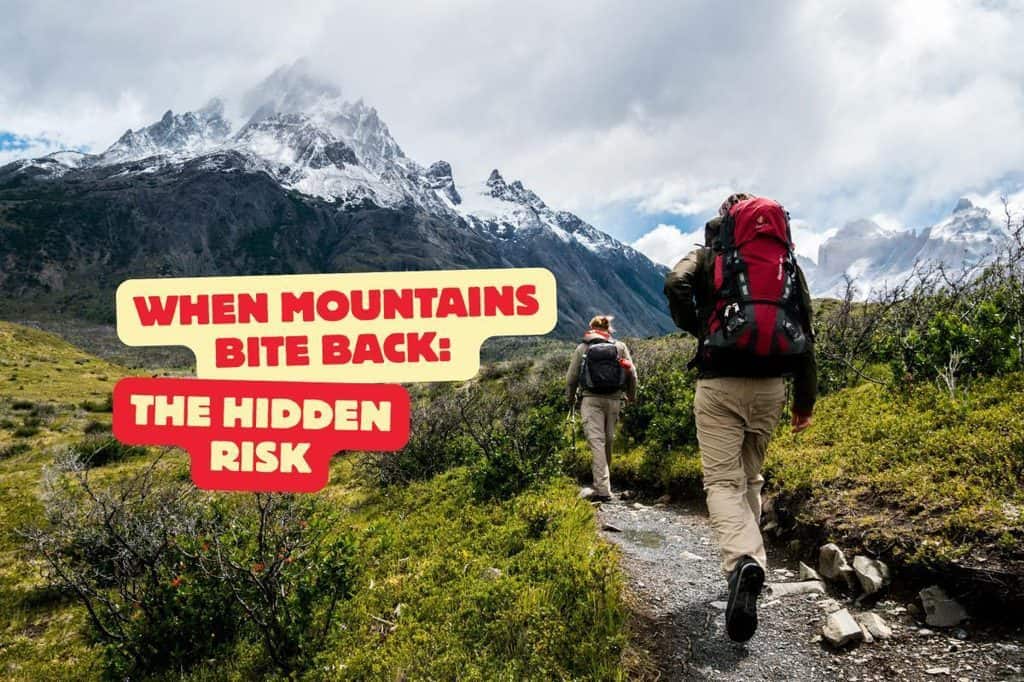
On May 11, 2025, Vishnu Irigireddy, a 48-year-old tech executive, fell 400 feet to his death while descending the North Early Winters Spire in Washington’s North Cascades. His anchor failed during descent as a storm approached.
Irigireddy’s death highlights a growing concern: hiking fatalities among Indians and NRIs are rising, even as the activity becomes more popular than ever.
This tragedy raises important questions about why hiking incidents are increasing, particularly among NRIs, and whether the growing popularity of adventure tourism is outpacing safety awareness.
The Deadly Romance with Dirt and Danger
We’ve turned hiking into the ultimate lifestyle brand. It’s not just exercise anymore—it’s rebellion against cubicle culture, a rejection of the digital prison that modern work has created.
Every weekend warrior with a $300 hiking boot collection and a Patagonia jacket has become an amateur philosopher, preaching the gospel of “getting back to nature.”


And honestly? It makes perfect sense. After spending days debugging code or sitting through soul-crushing Zoom meetings, the idea of earning those summit moments through sweat and suffering feels intoxicating.
The mountains don’t care about your quarterly targets or your Slack notifications. They’re the ultimate meritocracy—you either make it to the top, or you don’t.
But here’s the problem: social media has Instagram-ized the wilderness. Those perfectly curated posts—the golden hour shots, the triumphant summit selfies, the “challenging myself” captions—they’re selling a dangerous fantasy.
They show you the postcard, not the avalanche that buried three hikers the day before, or the helicopter that couldn’t reach the stranded climber because of weather.
For Indians and NRIs especially, hiking has become the new status symbol. It’s replaced the luxury car photos and five-star vacation posts.
Now it’s all about that authentic, rugged, “I-survived-altitude-sickness” credibility. People are chasing experiences that make them feel alive, but they’re doing it with the same competitive spirit that drives corporate ladder climbing.
The Numbers Don’t Lie (And They’re Terrifying)
Let’s rip off the Band-Aid: between 2013 and 2023, 312 Indian and Indian-origin hikers died on trails around the world.
That’s not just a statistic—that’s 312 families destroyed, 312 dreams cut short, 312 people who thought they were just going for a really long walk.
The International Mountain Safety Council found that Indians represent 4.3% of all non-local hiking deaths globally. Think about that. These are people who flew thousands of miles to die on someone else’s mountain.
Here’s what killed them:
Vishnu Irigireddy (2025): North Cascades, Washington. Equipment failure during storm descent. Fell 400 feet.
Aakash Mehta (2024): Kedarnath, India. Heart attack at altitude. His body couldn’t handle the thin air his mind was determined to conquer.
Rhea Kapoor (2023): Inca Trail, Peru. Severe altitude sickness. She probably felt invincible until her brain started swelling.
Rohit Subramanian (2022): Banff, Canada. Avalanche during solo hike. One wrong step on an unstable slope.
Neha Dandekar and her group (2021): Himachal Pradesh. Landslide. Nature’s reminder that it doesn’t negotiate.
The worst part? These are just the headline cases. How many others died quietly, their stories buried in local news, their families left to grieve without the world ever knowing their names?
Recently, a social media post highlighted the personal toll of these tragedies: “SOS: Urgent – my niece passed away (high altitude related death) while visiting Titicaca in Peru with her husband and 9-year-old son. Her husband is distraught and needs help/support bringing her body back to India…”
This message reveals the harsh reality behind adventure tourism. Families are left dealing with language barriers, legal complications, and astronomical repatriation costs in foreign countries when these tragedies occur.
The Data Behind the Danger: Hiking Deaths Are Rising Globally
Hiking and mountaineering fatalities have increased worldwide as participation has surged.
United States Data
According to the U.S. National Park Service:
• Over 300 search and rescue deaths occur annually in U.S. parks
• Thousands more rescues happen each year
• The majority involve hikers aged 30–55
• Common causes:
- Falls
- Altitude sickness
- Weather exposure
- Medical emergencies
Washington State alone reports dozens of serious hiking accidents every year.
Why We’re All Rushing to Die in Peru
Peru has become a top destination for NRI adventure seekers, and it’s not hard to see why.
The country offers everything our community craves: ancient history that rivals our own civilizations, Instagram-worthy vistas that make your friends jealous, and spiritual energy that promises to heal whatever corporate America broke inside you.
Plus, it’s relatively cheap. You can feel like an adventurer without breaking your tech salary budget.
The Inca Trail costs less than a weekend in Napa Valley, and the photos are infinitely more impressive.
But Peru is also where dreams go to die—literally. The altitude hits you like a truck. One day you’re fine, the next you’re vomiting blood because your lungs are drowning in fluid.
The weather changes faster than your iPhone can update its forecast. And if something goes wrong, you’re really, truly alone.
The Mountain Doesn’t Care About Your LinkedIn Profile
The real dangers of hiking extend far beyond dramatic falls. Altitude sickness is a silent killer that creeps up on even experienced hikers. Above 8,000 feet, your body starts struggling to get enough oxygen. What begins as a mild headache can escalate into cerebral edema—your brain literally swelling inside your skull.
Then there’s the weather. Mountain conditions change in minutes, not hours. A sunny morning can turn into a whiteout blizzard by afternoon. Hypothermia doesn’t need freezing temperatures—it can set in at 50 degrees Fahrenheit if you’re wet and tired. Your body temperature drops, your thinking becomes clouded, and you start making the kind of poor decisions that turn a difficult situation into a fatal one.
Dehydration and exhaustion compound everything. At altitude, you lose water through breathing at twice the normal rate. Your judgment suffers, your coordination fails, and suddenly that easy scramble over rocks becomes a deadly obstacle course.
Even something as simple as getting lost can be life-threatening when you’re miles from cell service, carrying limited supplies, and facing an unexpected night in the wilderness. GPS devices fail, trails get obscured by weather, and what seemed like a straightforward day hike becomes a survival situation.
So Should You Hang Up Your Hiking Boots?
Hell no.
But maybe—just maybe—there’s a need to stop treating the wilderness like it’s another consumer experience to be conquered and Instagrammed. Maybe it’s time to remember that hiking used to be about actually experiencing nature, not just documenting it.
If you’re going to risk your life on a mountain, at least do it for the right reasons. Do it because you love the burn in your lungs and the ache in your legs. Do it because silence at sunrise actually heals something broken inside you. Do it because pushing your limits teaches you something about who you really are.
Don’t do it because you need content for your feed or because everyone else in your friend group has summit photos. Don’t do it because you think suffering makes you special or because you’re trying to prove something to people who wouldn’t even notice if you disappeared for a month.
The Real Adventure Starts with Respect
The mountains will always be there. They’ve been there for millions of years, and they’ll be there long after we’re gone. They don’t need us to validate them with our presence or our posts.
But if you’re going to visit them, do it right. Train properly. Learn to read weather patterns. Understand altitude sickness before it understands you. Hire guides who know the terrain better than you know your commute. Tell people where you’re going and when you’ll be back.
Most importantly, remember that the goal isn’t to conquer anything—it’s to come home with stories, not become one.
The mountains are calling, sure. But they’re not always calling you to the summit. Sometimes they’re calling you to turn around, to try another day, to choose survival over glory.
Listen carefully. Your life might depend on hearing the difference.

I keep a low profile, but people say I’m kind of a big deal! You’ll often hear me bragging about being Substack’s first investor or telling stories about my prime years in my 20s. 🙂 Haters will say my profile picture is fake—and they’re right, at least once in a lifetime. 🙂